The Foreign Earned Earnings Exemption Explained: A Guide to Enhancing Your Common Deduction
The Foreign Earned Earnings Exclusion (FEIE) is a necessary tax obligation arrangement for U.S. citizens and resident aliens living abroad. It permits eligible expatriates to leave out a substantial portion of their foreign-earned revenue from government taxes. Comprehending the subtleties of FEIE can cause considerable tax financial savings. However, several people neglect vital information that can influence their qualification and benefits. Checking out these elements may reveal possibilities for improved tax results.
Understanding the Foreign Earned Income Exemption
Numerous migrants seek possibilities abroad, comprehending the Foreign Earned Earnings Exclusion (FEIE) is vital for managing their tax commitments. This provision allows united state people and resident aliens living overseas to exclude a specific amount of their made revenue from federal tax. The FEIE was established to relieve the tax obligation problem on individuals that live outside the USA, recognizing the distinct financial difficulties they might face.

Qualification Needs for FEIE
Exactly how to Assert the FEIE
To successfully assert the Foreign Earned Income Exclusion (FEIE), taxpayers need to initially confirm their qualification based on certain standards - FEIE Standard Deduction. The process includes numerous steps, consisting of submitting the proper forms and providing necessary documents. Recognizing these needs and treatments is essential for making best use of tax obligation advantages while living abroad
Eligibility Demands
Qualification for the Foreign Earned Income Exclusion (FEIE) pivots on conference details requirements established by the IRS. To qualify, individuals must be united state residents or resident aliens who earn income while functioning abroad. They need to establish an international tax obligation home, which indicates their major place of service is outside the USA. Additionally, candidates should meet either the Authentic Residence Test or the Physical Existence Test. The Authentic House Examination calls for that a taxpayer resides in a foreign country for an entire tax obligation year, while the Physical Presence Test requires costs at the very least 330 full days in an international country during a 12-month duration. Fulfilling these requirements is important for claiming the FEIE.
Filing Refine Actions
How can one effectively browse the process of declaring the Foreign Earned Income Exclusion (FEIE)? First, individuals need to determine their eligibility based upon the physical visibility examination or the authentic home examination. When verified, they must complete internal revenue service Kind 2555, which details international earnings and residency. This type should be attached to their yearly income tax return, typically Form 1040. It is vital to properly report all international earned earnings and guarantee compliance with the internal revenue service guidelines. Additionally, taxpayers ought to keep correct paperwork, such as foreign tax obligation returns and proof of residency. By following these steps, people can successfully claim the FEIE and potentially reduce their taxable revenue significantly, enhancing their overall financial placement.
Calculating Your International Earned Revenue Exclusion
While many migrants seek to optimize their financial advantages abroad, understanding the estimation of the Foreign Earned Income Exemption is necessary for accurate tax obligation reporting. The Foreign Earned Revenue Exemption permits certifying individuals to exclude a specific amount of their foreign profits from united state tax, which is changed yearly for inflation. To calculate this exclusion, expatriates should determine their total international gained income, which normally consists of earnings, incomes, and expert costs gained while staying in an international country.
Next off, they must complete internal revenue service Type 2555, supplying details about their international residency and job status. FEIE Standard Deduction. It is very important to satisfy either the bona fide residence examination or the physical existence test to get the exemption. When these elements are established, the optimum allowable exclusion amount is applied, minimizing the individual's gross income significantly. Accurate estimations can cause substantial tax financial savings for migrants living and functioning abroad
The Effect of FEIE on Other Tax Obligation Advantages
The Foreign Earned Earnings Exemption (FEIE) can affect hop over to these guys an individual's qualification for particular tax advantages, including the basic reduction. By excluding international earned earnings, taxpayers may locate their modified gross income influenced, which consequently can impact their certification for various tax obligation credit scores. Understanding these communications is important for maximizing tax obligation results while living abroad.
Communication With Standard Deduction
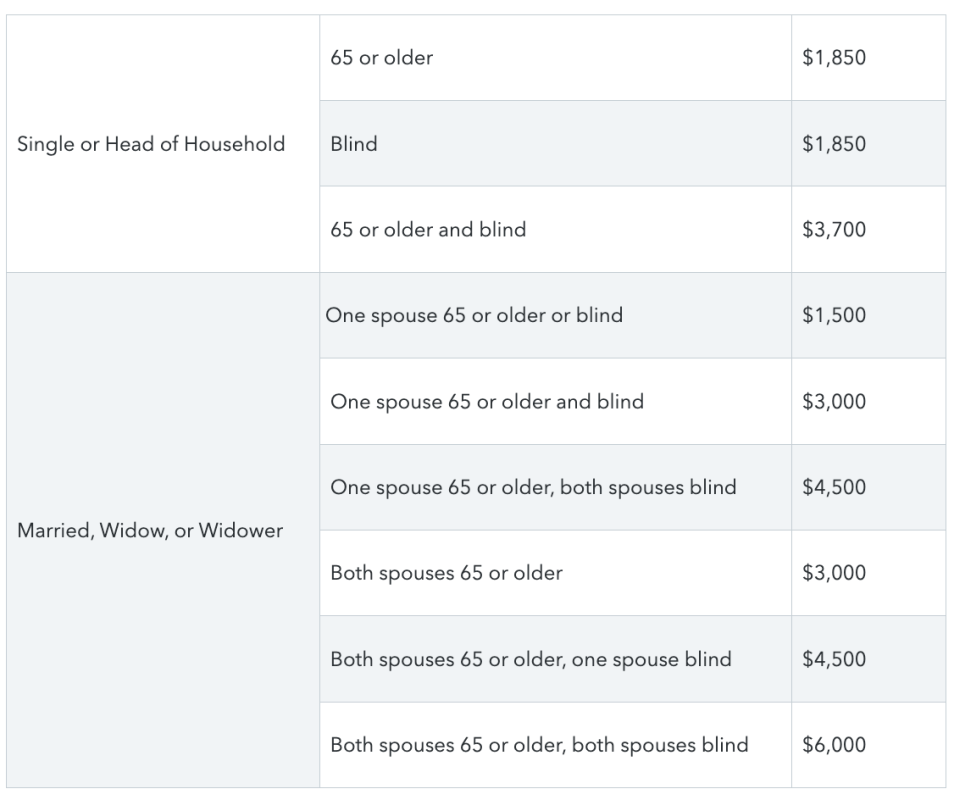
When people receive the Foreign Earned Earnings Exemption (FEIE), their qualification for the typical deduction may be impacted, possibly modifying their overall tax obligation responsibility. The FEIE permits taxpayers to exclude a specific quantity of made income from united state taxation, which can bring about a lowered taxable revenue. Because of this, if the left out income goes beyond the conventional reduction, it can lessen the advantage of declaring that deduction. In addition, taxpayers who make use of the FEIE might locate that their capability to detail deductions is additionally influenced, as particular expenditures might be influenced by the exclusion. Understanding this communication is vital for migrants to optimize their tax obligation advantages while ensuring conformity with united state tax obligation regulations
Eligibility for Tax Obligation Credit Scores
Guiding through the complexities of tax obligation credit scores can be challenging for expatriates, especially considering that the Foreign Earned Income Exclusion (FEIE) can significantly affect eligibility for these advantages. The FEIE allows eligible individuals to omit a substantial part of their international incomes from U.S. taxes, but this exemption can also impact accessibility to various tax credit ratings. For example, taxpayers who make use of the FEIE may locate themselves disqualified for debts like the Earned Income Tax Credit Scores (EITC), as these credit ratings usually require gross income. In addition, the exclusion might restrict the capacity to claim certain deductions or debts linked with dependents. Recognizing the interaction between the FEIE and offered tax credit histories is important for expatriates intending to maximize their tax obligation scenario.
Typical Errors to Prevent When Declaring FEIE
Commonly, expatriates weblink encounter numerous risks while declaring the Foreign Earned Earnings Exemption (FEIE), which can result in pricey errors or missed out on possibilities. One frequent blunder is failing to satisfy the physical presence or authentic home test, which is essential for eligibility. In addition, expatriates commonly ignore the demand to file Kind 2555 properly, resulting in imprecise or insufficient submissions.
One more common error involves inaccurately calculating foreign gained revenue, as numerous do not make up all pertinent earnings resources. Some migrants erroneously presume they can exclude all their income, not aware of the limitations on the exclusion quantity. Additionally, ignoring to maintain correct documentation, such as travel days and residency condition, can endanger a case. Lastly, misunderstanding the implications of the FEIE on various other tax obligation credit scores may result in unintentional tax obligation obligations. Understanding of these challenges can help with a smoother claiming procedure and make best use of potential advantages.
Resources for Expats Navigating U.S. Tax Obligations
Steering U.S. tax obligation obligations can be challenging for expatriates, especially after experiencing challenges in asserting the Foreign Earned Revenue Exemption (FEIE) To help browse these complexities, a variety of sources are offered. The IRS internet site provides comprehensive info on tax frequently asked questions, regulations, and types specifically customized for expatriates. In addition, companies like the American Citizens Abroad (ACA) and the Expat Tax Professionals offer support and support to assure conformity with tax obligation legislations.
On the internet discussion forums and communities, such as the Deportee Discussion forum, enable you can look here migrants to share experiences and insights, cultivating an encouraging environment for those encountering comparable challenges. Additionally, tax obligation preparation software application, like copyright and H&R Block, usually includes attributes developed for expats, making the declaring procedure more straightforward. Engaging with these sources can encourage expatriates to better recognize their tax responsibilities and make the most of advantages like the FEIE.
Often Asked Concerns
Can I Assert FEIE if I'M Freelance Abroad?
Yes, independent people abroad can declare the Foreign Earned Earnings Exclusion (FEIE) To certify, they need to meet particular demands pertaining to residency and income, guaranteeing they adhere to IRS standards for expatriates.

Is the FEIE Applicable to Foreign Pensions?
The Foreign Earned Income Exclusion (FEIE) is not relevant to international pensions. Pensions are considered unearned income and do not certify for the exemption, which particularly relates to made earnings from employment or self-employment abroad.
What Occurs if I Go Back To the U.S. Mid-Year?
They may need to readjust their tax obligation situation if a specific returns to the U.S. mid-year. Their qualification for sure reductions and exclusions, consisting of the Foreign Earned Earnings Exclusion, could be affected by their residency status.
Can FEIE Be Reported With Various Other Reductions?
Yes, the Foreign Earned Earnings Exemption (FEIE) can be declared along with various other reductions. Nonetheless, care has to be taken to guarantee appropriate conformity with tax obligation policies, as particular restrictions may use based on private circumstances.
Just How Does FEIE Impact State Tax Obligation Commitments?
The Foreign Earned Revenue Exemption can minimize a taxpayer's federal income tax responsibility, yet it does not immediately affect state tax responsibilities, which vary by state and might still call for reporting of foreign income.
Several migrants look for possibilities abroad, understanding the Foreign Earned Revenue Exclusion (FEIE) is important for handling their tax obligation responsibilities. By excluding international earned earnings, taxpayers might locate their modified gross revenue influenced, which in turn can influence their credentials for various tax credit ratings. Steering through the complexities of tax obligation debts can be testing for migrants, specifically since the Foreign Earned Revenue Exemption (FEIE) can greatly influence eligibility for these benefits. Taxpayers that utilize the FEIE might discover themselves disqualified for credit scores like the Earned Revenue Tax Obligation Credit Report (EITC), as these credit reports typically call for taxed revenue. Navigating U.S. tax obligation commitments can be challenging for migrants, especially after coming across pitfalls in asserting the Foreign Earned Income Exemption (FEIE)